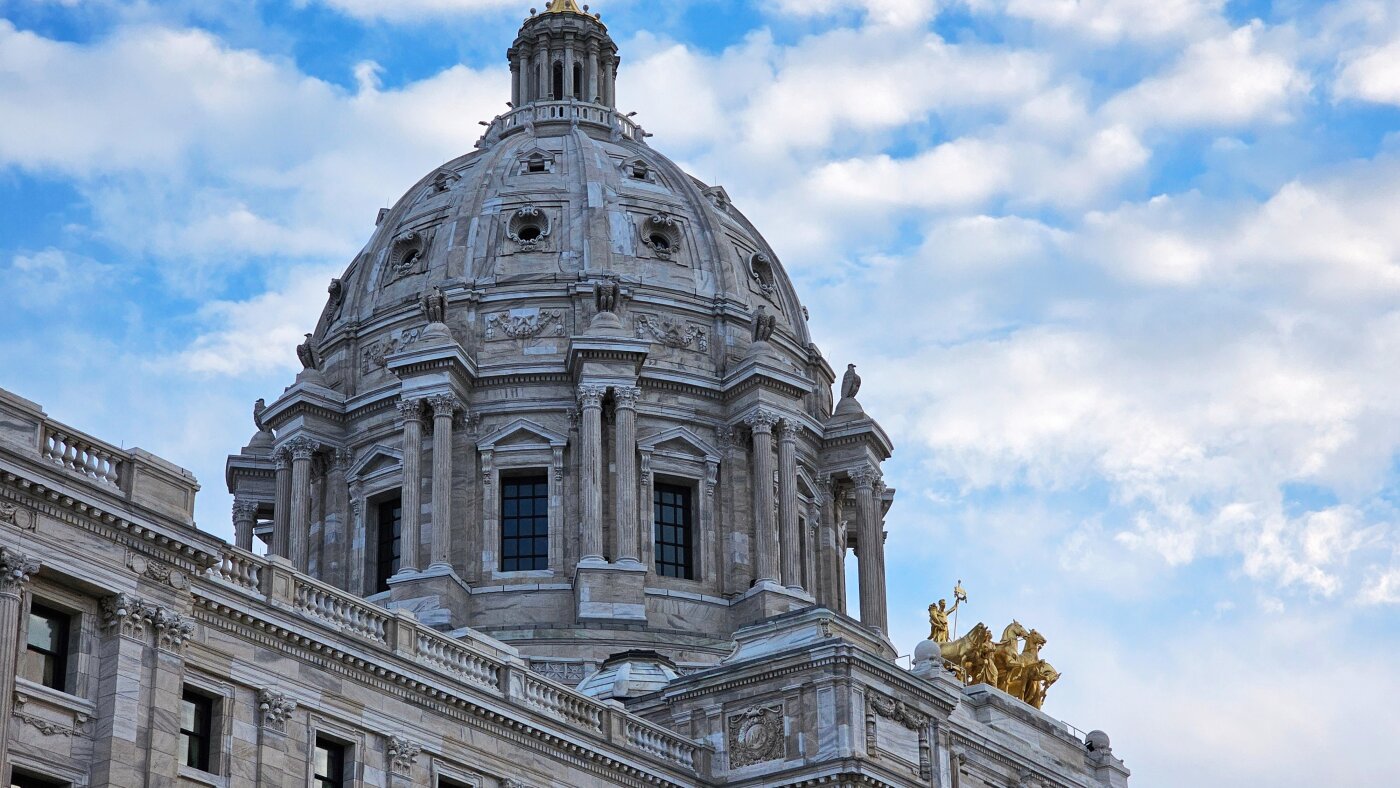
Investors can explore detailed stock insights including earnings analysis, valuation metrics, and market momentum indicators across listed companies. Minnesota has enacted the nation's first state law making it a felony for prediction market platforms such as Kalshi and Polymarket to operate within its borders. The move escalates a broader legal push by dozens of states against the rapidly growing industry, which allows users to trade contracts on event outcomes. The new legislation signals a potentially tougher regulatory environment for these platforms at the state level.
Live News
Minnesota Becomes First State to Criminalize Prediction Markets as Regulatory Crackdown IntensifiesInvestors who track global indices alongside local markets often identify trends earlier than those who focus on one region. Observing cross-market movements can provide insight into potential ripple effects in equities, commodities, and currency pairs. - First Felony Classification: Minnesota is the first state to make operating a prediction market a felony, marking a new frontier in state-level enforcement against the industry.
- Broader State Actions: Dozens of other states have taken legal steps—including cease-and-desist orders and lawsuits—but none had previously enacted criminal penalties.
- Industry Leaders Affected: The law directly impacts major platforms Kalshi and Polymarket, which allow trading on political and sports event outcomes.
- Possible Precedent: Other jurisdictions may follow Minnesota’s lead, potentially creating a patchwork of state laws that complicates compliance for prediction market operators.
- Federal Regulatory Context: The CFTC has separately pursued civil enforcement against unregistered event contracts, but state criminal laws add a new layer of risk for platforms and their executives.
Minnesota Becomes First State to Criminalize Prediction Markets as Regulatory Crackdown IntensifiesGlobal interconnections necessitate awareness of international events and policy shifts. Developments in one region can propagate through multiple asset classes globally. Recognizing these linkages allows for proactive adjustments and the identification of cross-market opportunities.Some traders rely on alerts to track key thresholds, allowing them to react promptly without monitoring every minute of the trading day. This approach balances convenience with responsiveness in fast-moving markets.Minnesota Becomes First State to Criminalize Prediction Markets as Regulatory Crackdown IntensifiesSome traders use futures data to anticipate movements in related markets. This approach helps them stay ahead of broader trends.
Key Highlights
Minnesota Becomes First State to Criminalize Prediction Markets as Regulatory Crackdown IntensifiesReal-time updates are particularly valuable during periods of high volatility. They allow traders to adjust strategies quickly as new information becomes available. Minnesota has become the first U.S. state to pass a law specifically classifying the operation of unlicensed prediction markets as a felony, according to a report from NPR. The law targets companies like Kalshi and Polymarket, which offer contracts on political elections, sports, and other events, and could carry criminal penalties for firms that do not comply.
While many states have previously taken legal action—such as cease-and-desist letters or civil suits—against prediction market operators, Minnesota’s statute represents a significant escalation by introducing felony-level charges. The legislation was passed as part of a broader regulatory push, though specific details on enforcement mechanisms or penalties were not immediately detailed in the source.
The prediction market industry has faced increasing scrutiny in the United States. The Commodity Futures Trading Commission (CFTC) has argued that some event contracts resemble gambling and has sought to block certain offerings, while state regulators have expressed concerns about consumer protection and the potential for market manipulation. Minnesota’s new law could provide a template for other states considering similar criminal measures.
Neither Kalshi nor Polymarket has publicly commented on the Minnesota law at the time of the report. The platforms generally operate by registering as designated contract markets with federal regulators, but state-level prohibitions may complicate their ability to serve customers nationwide.
Minnesota Becomes First State to Criminalize Prediction Markets as Regulatory Crackdown IntensifiesInvestors who track global indices alongside local markets often identify trends earlier than those who focus on one region. Observing cross-market movements can provide insight into potential ripple effects in equities, commodities, and currency pairs.Alerts help investors monitor critical levels without constant screen time. They provide convenience while maintaining responsiveness.Minnesota Becomes First State to Criminalize Prediction Markets as Regulatory Crackdown IntensifiesExperienced traders often develop contingency plans for extreme scenarios. Preparing for sudden market shocks, liquidity crises, or rapid policy changes allows them to respond effectively without making impulsive decisions.
Expert Insights
Minnesota Becomes First State to Criminalize Prediction Markets as Regulatory Crackdown IntensifiesObserving trading volume alongside price movements can reveal underlying strength. Volume often confirms or contradicts trends. Legal and regulatory observers note that Minnesota’s felony statute could significantly alter the risk calculus for prediction market platforms. While the CFTC has historically been the primary federal regulator overseeing these markets, state criminal laws introduce the possibility of prosecution that federal civil actions might not carry. Industry analysts suggest that the law may lead some platforms to restrict access for Minnesota residents or to challenge the statute in court on constitutional grounds, such as preemption by federal commodities law.
The move also raises questions about the broader classification of prediction markets. Some experts argue that event contracts serve a legitimate financial purpose by aggregating information, while others contend they function as unlicensed gambling. The lack of a federal framework has left a regulatory vacuum that states are now filling in different ways. As other states watch Minnesota’s experiment, the industry may face a period of increased legal uncertainty.
From an investment perspective, companies operating in the prediction market space may need to reassess their legal risks and geographic availability. The potential for criminal liability could deter venture capital funding and push platforms toward jurisdictions with clearer or more favorable rules. However, the outcome of any legal challenges or federal regulatory clarity could shift the landscape quickly. Investors and market participants should monitor both state-level legislative trends and CFTC rulemaking for further developments.
Disclaimer: This analysis is for informational purposes only and does not constitute investment advice.
Minnesota Becomes First State to Criminalize Prediction Markets as Regulatory Crackdown IntensifiesMarket behavior is often influenced by both short-term noise and long-term fundamentals. Differentiating between temporary volatility and meaningful trends is essential for maintaining a disciplined trading approach.The interplay between short-term volatility and long-term trends requires careful evaluation. While day-to-day fluctuations may trigger emotional responses, seasoned professionals focus on underlying trends, aligning tactical trades with strategic portfolio objectives.Minnesota Becomes First State to Criminalize Prediction Markets as Regulatory Crackdown IntensifiesTiming is often a differentiator between successful and unsuccessful investment outcomes. Professionals emphasize precise entry and exit points based on data-driven analysis, risk-adjusted positioning, and alignment with broader economic cycles, rather than relying on intuition alone.